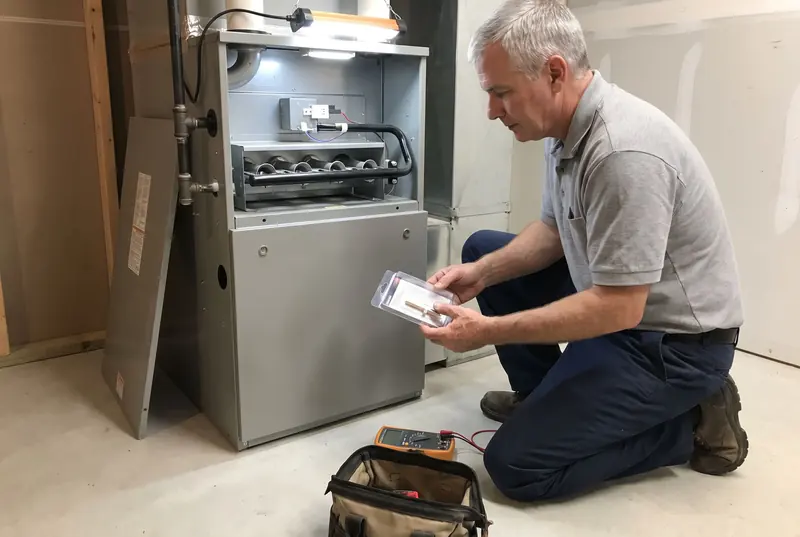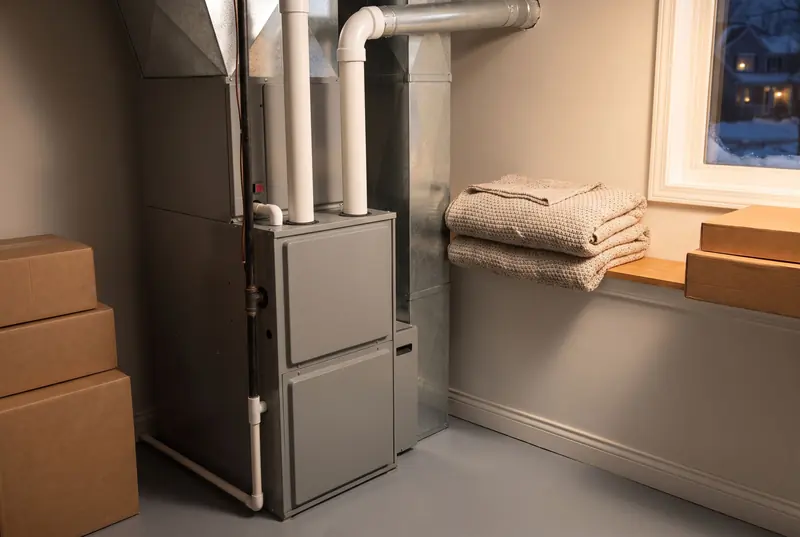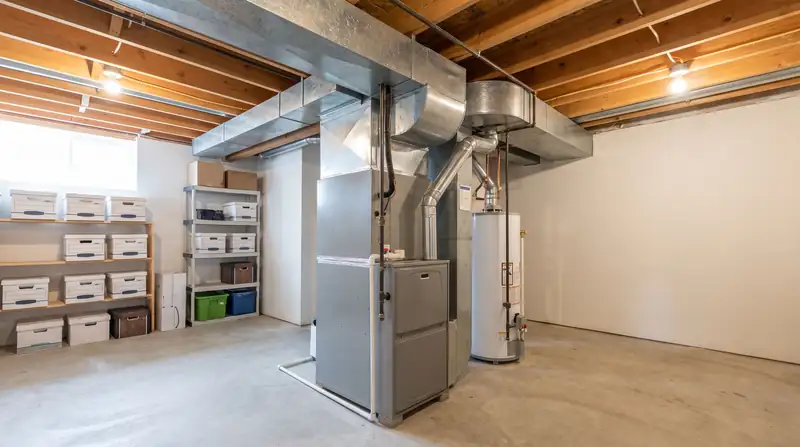

From the hallway, a furnace that will not heat looks the same no matter what broke. Inside the cabinet, though, everything happens in a strict order: inducer on, pressure switch closed, igniter glowing, gas valve open, burners lit, flame proven, and finally the blower moving heat through the ducts. Most of the diagnosis comes down to finding the broken link. In Miami Beach homes, it tends to be the same handful of culprits: a flame sensor coated in oxide, a hot surface igniter cracked by thermal cycling, a pressure switch held open by a tired inducer or a plugged condensate trap, or a control board with a burned relay.
When the AC quits in summer, see AC Repair.
Warning Signs for Furnace Repair
Recognizing the warning signs early can save you time and money. Here are the most common indicators that it's time to call a professional:
- A pilot or burner flame that is lazy yellow instead of crisp blue
- The blower runs constantly but the air never warms
- The igniter glows and clicks, yet no flame ever appears
- Flames that start, last a few seconds, and go out again and again
- Booming or banging at light-off from delayed ignition
- Water, rust stains, or black soot around the flue or cabinet
- A furnace that shuts off every few minutes before the house warms up
- Squeals, scrapes, or grinding noises behind the blower door
Act Before It Gets Worse
Most HVAC failures start small, a weak capacitor, a squealing blower, a system that runs a little longer each week. Don't wait, call (645) 245-6085 and we'll take a look right away.